The first step in cleaning jewelry is knowing how soft or hard it is. Diamonds are the hardest and used as the standard. Opals are among the softest and require much care. Many other stones have little idiosyncrasies that require special treatment. If instructions require brushing, use an eye shadow brush; for scrubbing, use a baby's toothbrush. If the jewelry piece is set with multiple stones heed the advice for the softest in the piece. The list is from hardest!
DIAMONDS:Soak in a solution of 2 parts warm water to 1 part ammonia for several minutes. Rinse and pat dry. Diamonds are so hard they can scratch or crack other stones and themselves so store them individually in their own box, never together.
Sapphire, Ruby, Amethyst, Peridot, Tanzanite, Citrine, and all quartz type stone:Immerse (seperately, to avoid scratching) in a mixture of warm water and mild, softener-free dishwashing liquid ( such as Ivory liquid). Scrub gently, rinse and dry.
Emerald:Dip in room-temperature water and brush gently; let dry. Never use warm or soapy water since Emeralds have fine cracks on and under the surface that are filled with oil or resin during the finishing process. Steamy, sudsy liquid can remove those fillers and bring the cracks to the surface thus dulling and lessening the beauty (and value) of the stone. It is a good idea to have your Emeralds professionally reoiled by a trustworthy jeweler every few years. Stones can easily be switched by unscrupulous ones so always examine your piece before and after a visit.
Opal:Use a soft, soapy cloth, then rinse. Be extra careful when handling and storing these beautifully iridescent gems as they tend to chip and break if miss-handled. They are hydroscopic, absorbing water from the atmosphere to keep their beauty, so when storing keep in a humid area that is opened regularly or place a small open cup of water in the general proximity of the piece. Air-tight boxes such as a safe-deposit box are not advisable. Water your Opals to keep the colors vibrant and prevent cracking. Many Opal dealers display their stones in water to preserve their beauty.
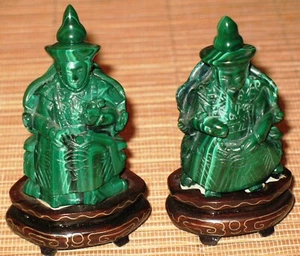
Turquoise, Malachite, Chrysocola, etc.:These composite, porous stones require special care. Wipe with a soft, dry cloth. Never use a cleanser: The porous stones could absorb the fluid and become discolored. If sizing a ring or repairing a piece, make sure the craftsman removes the stone as it tends to burn and turn color if heat is applied. Since it is a soft composite, it requires special care and treatment. Chrysocola has gem silica as 1 of it's composite elements so it is slightly harder than the others and will take slightly more abuse. To maintain their original color, clean frequently.
Pearl:Whether real, cultured, or faux, Pearls are fragile and lose their luster easily. That's why perfume or makeup should be applied before putting them on (though it is a good practice for all gems). Wipe Pearls with a soft, moist cloth, after each wearing to rid the surface of any cosmetic residue; for a more thorough cleaning, dip a brush in a mix of mild soap and warm water, then work it around the Pearls. Wipe with a wet cloth and lay flat to dry. Have strands checked every few years by a jeweler to see if they need re-stringing. Same is the case for any strung gem or bead such as coral, onyx, chrysoprase etc.
Amber:As this is a fossilized resin, it requires care to maintain its beautiful luster. Use a water-moistened cloth, but never add soap-it can dull this honey of a gem. Although most pieces are a golden honey color, they also come in green and butterscotch colors. Real amber will not burn as plastic does, just a tip!! To verify it real try a hot pin touched to the back corner. It will not melt but may give off a unique aroma of pine or amber scent. Young Amber or copal is used as an incense and sometimes passed off as authentic amber. Although Baltic Amber is the most desirable for jewelry, much comes from the Dominican Republic (remember "Jurassic Park"-eggs found in fossilized resin amber millions of years old).
Metals require care too!
Gold, Platinum:For routine cleaning dip in sudsy water. Gold for the most part is a mixture of other metal alloys depending on the purity. Pure gold (24K) is too soft to use as jewelry and is rated by karats depending on how much alloy is used. 14K is approx. 50% gold and 50% other alloys. 18K is approx. 75% gold. The alloys may cause tarnishing so adding a few drops of ammonia to your sudsy solution and brushing gently may help, or if need be bring to a jeweler for polishing.
Silver:Use a cloth designed to spiff silver such as a rouge cloth available at most jewelry stores and jewelry suppliers. That cloth has two surfaces, 1 with the chemical for shining, the other a very soft surface for wiping off the chemical and polishing. It will give the silver a brilliant luster. Never use a paper towel as it may scratch the silver. Sterling is at least 92.5% silver and 7.5% other base metals such as tin. German silver and alpaca are lesser pure forms but polish the same. Pewter, which usually has some silver content, will polish up the same way but never as brilliant as silver.
All metal oxidizes from the air(just as rust forms) and will also turn color from acid in the skin thus needing polishing. You are what you eat and your metal jewelry will reflect that! Silver will turn black and Gold may tarnish or turn green depending on the alloys present and purity. |